Custom NdFeB disk magnets with stable magnetic performance, precision machining, coating options and application-oriented support for industrial magnetic systems.
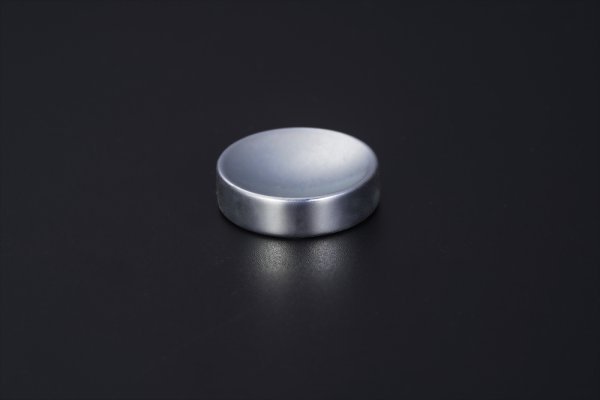
We support customized NdFeB disk magnets and other shapes based on application requirements, magnetic circuit design, working temperature, coating environment, dimensional tolerance, and assembly structure.

From N35 to N52, including H, SH, UH and other high-temperature grades.

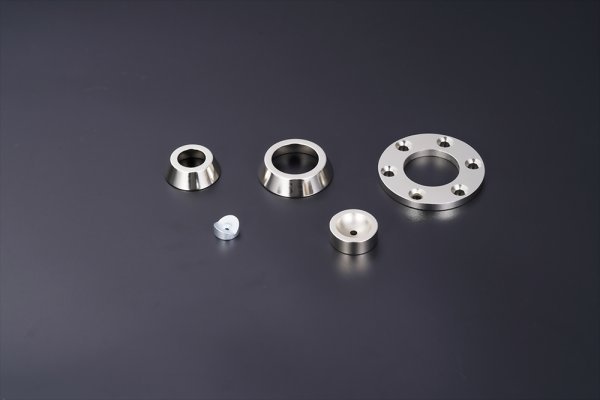
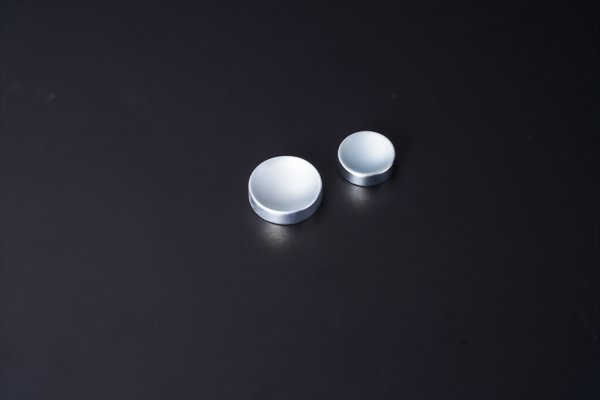
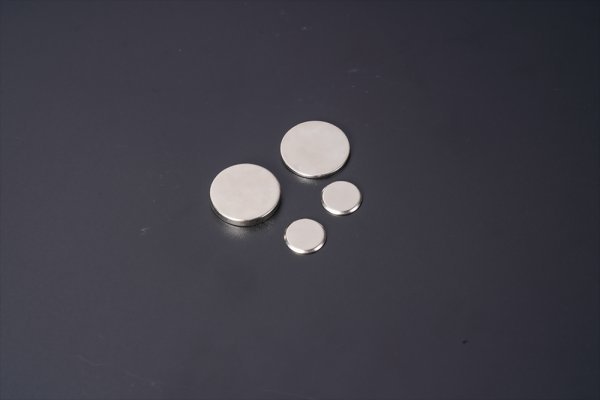
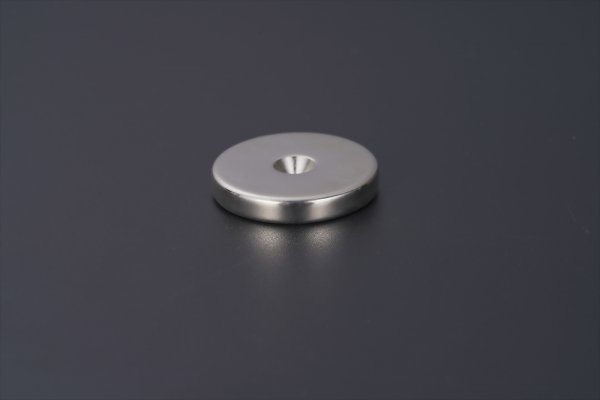
Round discs, thin discs, thick discs, chamfered edges, countersunk discs, stepped discs, and customized diameter or thickness designs.

Custom dimensions with precision machining and tolerance control support.

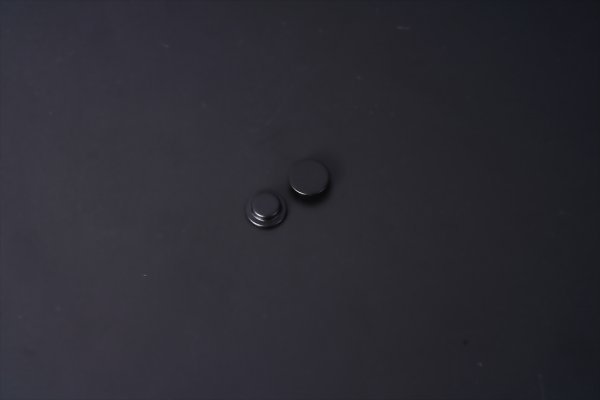
Ni-Cu-Ni, epoxy, zinc and other coating options for different environments.

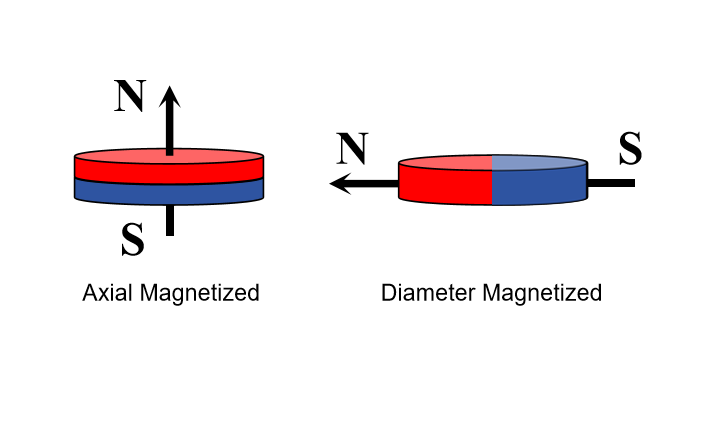
Axial magnetization is the most common option, with N/S poles on the two flat circular faces. Diametrical, radial, and multi-pole magnetization can also be customized.
Send your drawing or application requirements for custom NdFeB disk magnet solutions.
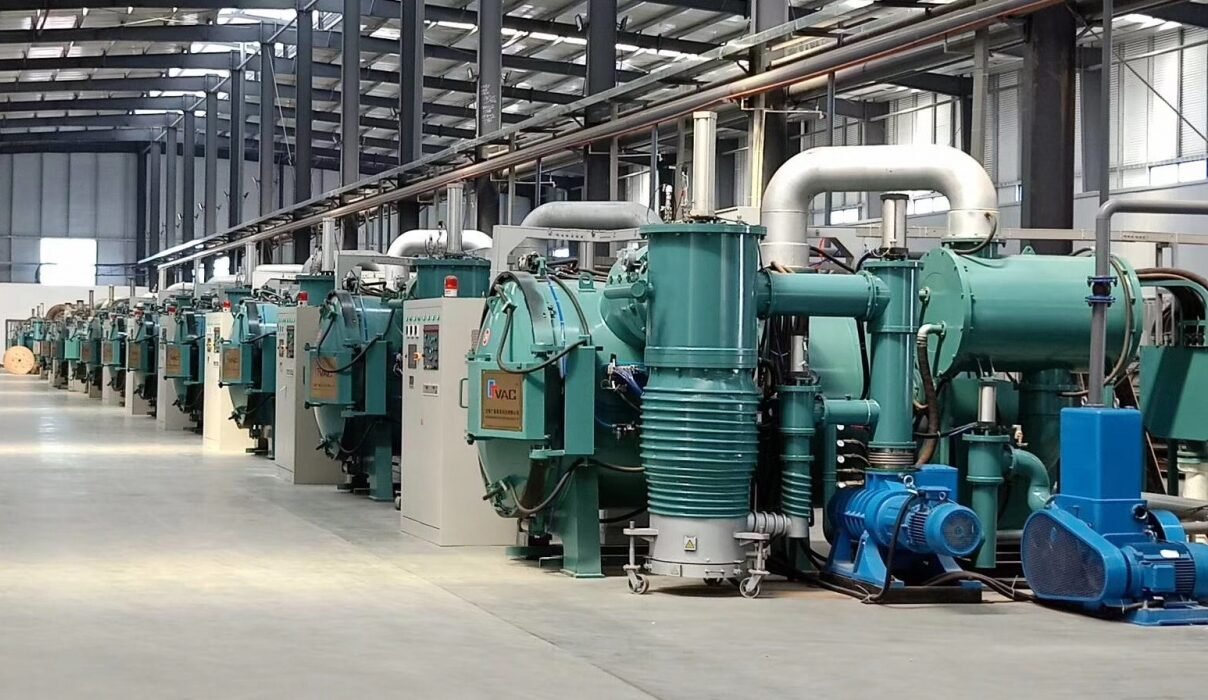
We support global industrial buyers with custom sintered NdFeB magnets from sample development to massproduction, combining in-house manufacturing capability, gualified supply resources, and application-orientedtechnical communication.
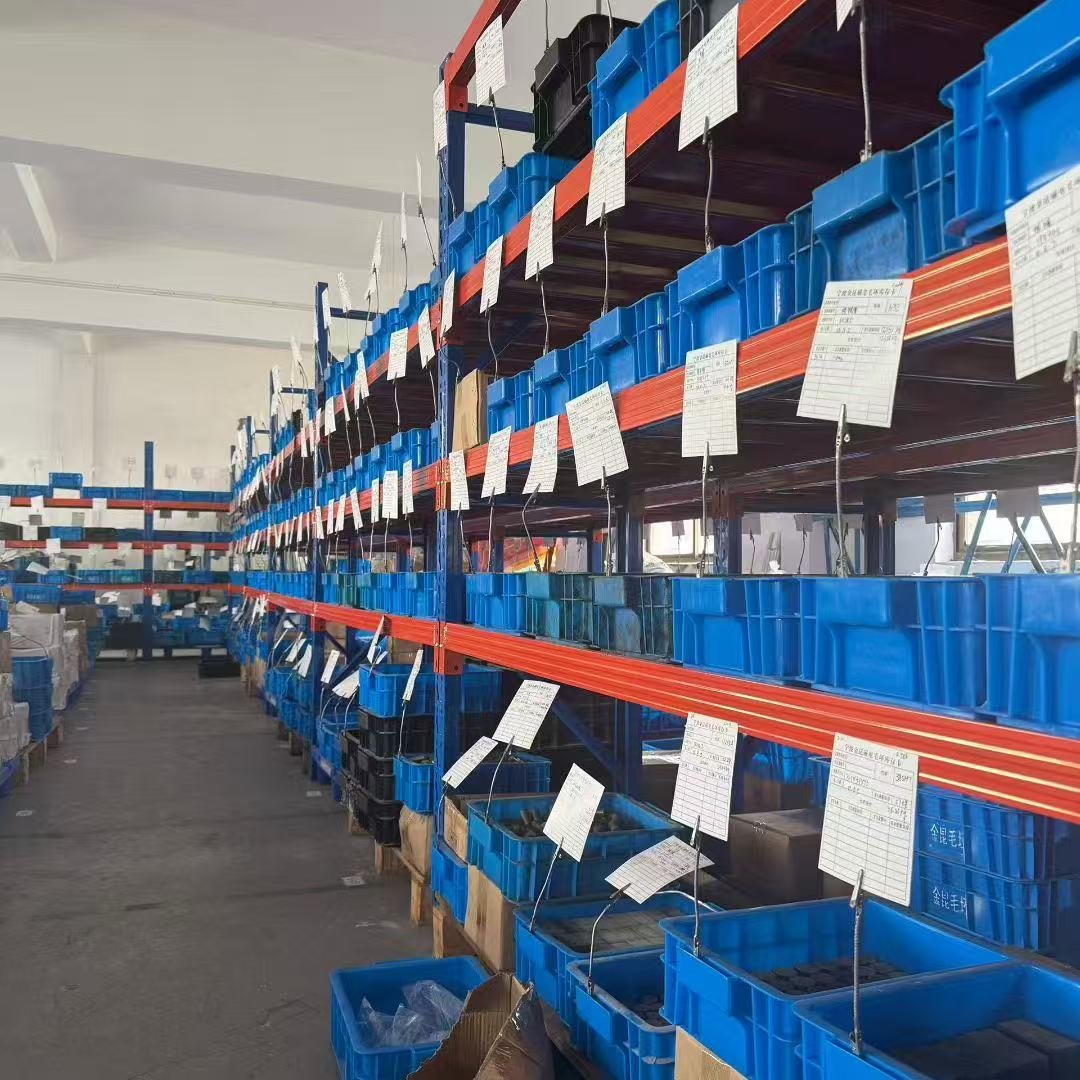
Our own and qualified partner manufacturing facilities each offer over 3,000 tons of annual sintered NdFeB production capacity, supporting stable lead times, scalable production planning, and long-term supply reliability.
With over ten years of projectand manufacturing experience,we support customers incontrolling key production factors such as machiningtolerance, magneticpertormance consistency,coating reliability and process inspection.
Our magnets are widely used in industrial applications where stable quality,clear communication, and reliable project follow-up are important for both development and mass production projects.
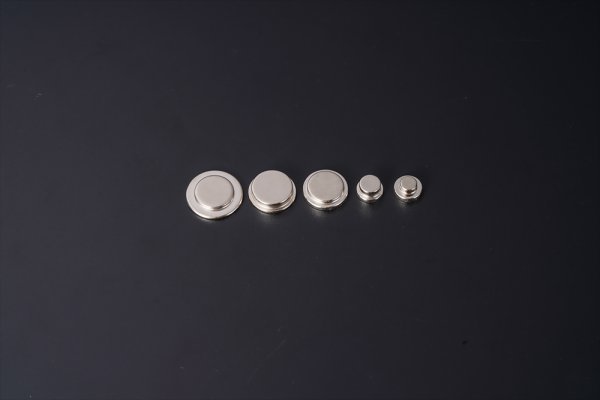
Neodymium disk magnets are widely used when strong magnetic force is required in a thin, flat, and compact circular shape. Compared with ferrite or AlNiCo disk magnets, sintered NdFeB disk magnets provide much higher magnetic performance, making them suitable for applications where limited space, stable holding force, and easy surface mounting are important.
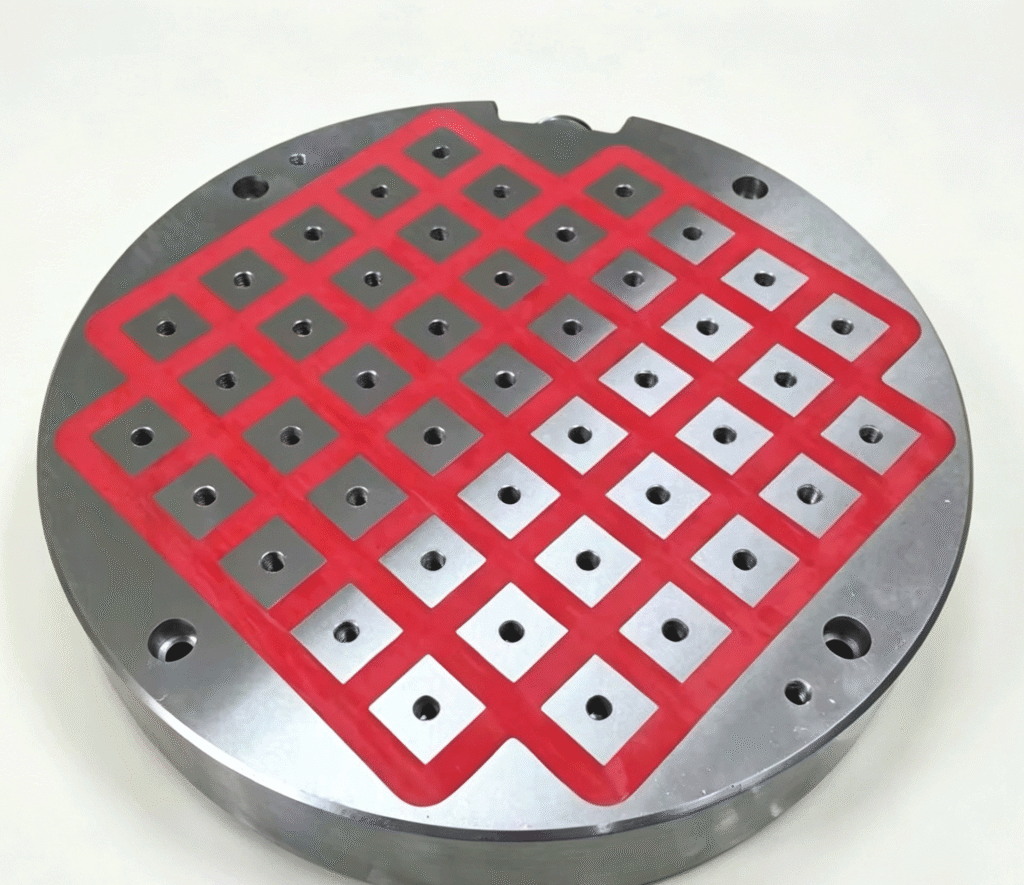
The flat round geometry of disk magnets allows easy integration into housings, fixtures, sensors, magnetic closures, packaging, electronics, holding systems, and custom magnetic assemblies. Their simple shape makes them suitable for both surface mounting and embedded installation.
Depending on the application requirements, neodymium disk magnets can be customized by diameter, thickness, grade, coating, tolerance, chamfer, and magnetization direction. Most disk magnets are axially magnetized, with the north and south poles located on the two flat circular faces. ( View NdFeB Magnet Grade Data )
Thanks to their compact size, strong holding force, and easy assembly, neodymium disk magnets are commonly used in magnetic closures, sensors, holders, electronics, packaging, fixtures, and precision magnetic components.
Neodymium disk magnets are usually supplied with protective coatings to prevent oxidation, corrosion, and surface damage during handling, assembly, and long-term use. Common coating options for sintered NdFeB disk magnets include Ni-Cu-Ni, Zinc, Epoxy, and other customized surface treatments. The suitable coating can be selected based on the working environment, humidity level, bonding method, appearance requirement, and corrosion resistance needs.
A widely used coating for sintered NdFeB magnets, offering a bright metallic appearance, good dimensional stability, and general corrosion protection for indoor and standard industrial applications.
A cost-effective coating option for general-purpose applications where basic corrosion protection and simple surface appearance are required. Suitable for controlled indoor or mild working environments.
Suitable for applications requiring improved corrosion protection, especially in humid or chemically challenging environments. Epoxy provides good surface coverage and environmental resistance, but should be evaluated according to wear, impact, and assembly conditions.
| Coating Type | Thickness | Appearance | PCT | Salt Spray | Humidity | Acid / Alkali | Oil | Typical Notes |
|---|---|---|---|---|---|---|---|---|
| White Zinc Zn |
≥5 μm | Blue-white | — | ★★ | ★★★ | — | ★ | Basic protection |
| Color Zinc Zn |
≥5 μm | Color-plated red | — | ★★★ | ★★★★ | — | ★ | Improved corrosion resistance |
| Ni-Cu-Ni | ≥15 μm | Silver-white | ★★★ | ★★★★ | ★★★★★ | ★★★ | ★★★ | Common industrial coating |
| Ni-Cu-Ni-Sn | ≥15 μm | Silver-white | ★★★★★ | ★★★★ | ★★★★★ | — | — | Excellent solderability |
| Chemical Ni | ≥5 μm | Silver-white | ★★★★ | ★★★★★ | ★★★★★ | ★★★ | ★★★ | Good overall protection |
| Epoxy | ≥12 μm | Black or grey | ★★★ | ★★★★★ | ★★★★★ | ★★★★★ | ★★★★ | Good corrosion resistance; weaker wear resistance |
| Passivated | ≤2 μm | Black or grey | — | — | ★★★ | — | ★★★ | Thin surface protection |
| Aluminum Al |
≥3 μm | Silver-grey | ★★★★★ | ★★★ | ★★★★ | — | ★★★ | High bonding strength |
| Al + Epoxy | ≥15 μm | Black or grey | ★★★★★ | ★★★★★ | ★★★★★ | ★★★★★ | ★★★★★ | Excellent corrosion resistance |
| Zn-Al | ≥10 μm | Silver-white or silver-grey | ★★★★★ | ★★★★★ | ★★★★★ | — | ★★★★★ | Strong protection option |
| Everluber | ≥5 μm | Golden yellow | ★★★★★ | ★★★★★ | ★★★★★ | ★★★★★ | ★★★★★ | High-performance surface protection |
| Teflon | ≥5 μm | Black | ★★ | ★★★ | ★★★★★ | ★★★★★ | ★★★ | Good corrosion resistance |
| Parylene Coating | ≥3 μm | Transparent | ★★ | ★★★ | ★★★★★ | ★★★★★ | ★★★ | Biocompatible coating option |
Note:The star rating reflects the relative corrosion resistance of each coating. Five stars indicate excellent resistance, while “—” means the coating is generally not suitable for that condition. For custom neodymium block magnets, coating selection should be based on humidity, salt spray exposure, chemical contact, assembly method and expected service life.
Neodymium disk magnets are widely used in applications that require strong magnetic force in a thin, flat, and compact circular shape. Typical applications include magnetic closures, sensors, reed switches, holders, packaging, electronics, fixtures, craft assemblies, and custom magnetic components. Their flat round design makes them easy to mount, embed, or bond onto different surfaces while maintaining strong and stable magnetic performance.
Neodymium disk magnets are widely used in applications where strong magnetic force, compact structure, and a central mounting hole are required. Their through-hole design makes them easy to integrate with shafts, screws, housings, sensors, and rotating components, making them suitable for motors, magnetic couplings, speakers, holding systems, positioning devices, and custom magnetic assemblies.
Most neodymium disk magnets are axially magnetized, with the north and south poles located on the two flat circular faces. This magnetization direction is suitable for holding, surface mounting, magnetic closures, sensors, and general assembly applications. Depending on the project requirements, disk magnets can also be customized by diameter, thickness, grade, coating, tolerance, chamfer, polarity marking, and special magnetization patterns where production feasibility allows.
Engineering the Extraordinary, Making the Impossible Real
Magnet grade has a direct impact on cost. When the performance grade or coercivity level increases, the material formulation and production process often become more demanding. Higher coercivity grades may require the addition of medium and heavy rare earth elements, as well as more advanced manufacturing processes such as grain boundary diffusion.
As a rough reference, when the performance grade increases by one level, for example from N35 to N38, the material cost may increase by around 5%–15%. When the coercivity level increases, such as from N52M to N52H or from N40SH to N40UH, the cost may increase by approximately 10%–15%.
However, the final price is not determined by grade alone. Coating requirements, magnet size, tolerance, magnetization direction, custom shape, order quantity, and inspection standards can also affect the total cost.
If you are not sure which grade is suitable for your project, please contact us with your application details. Our team can help recommend a suitable NdFeB grade based on working temperature, required magnetic force, coating environment, and cost target.
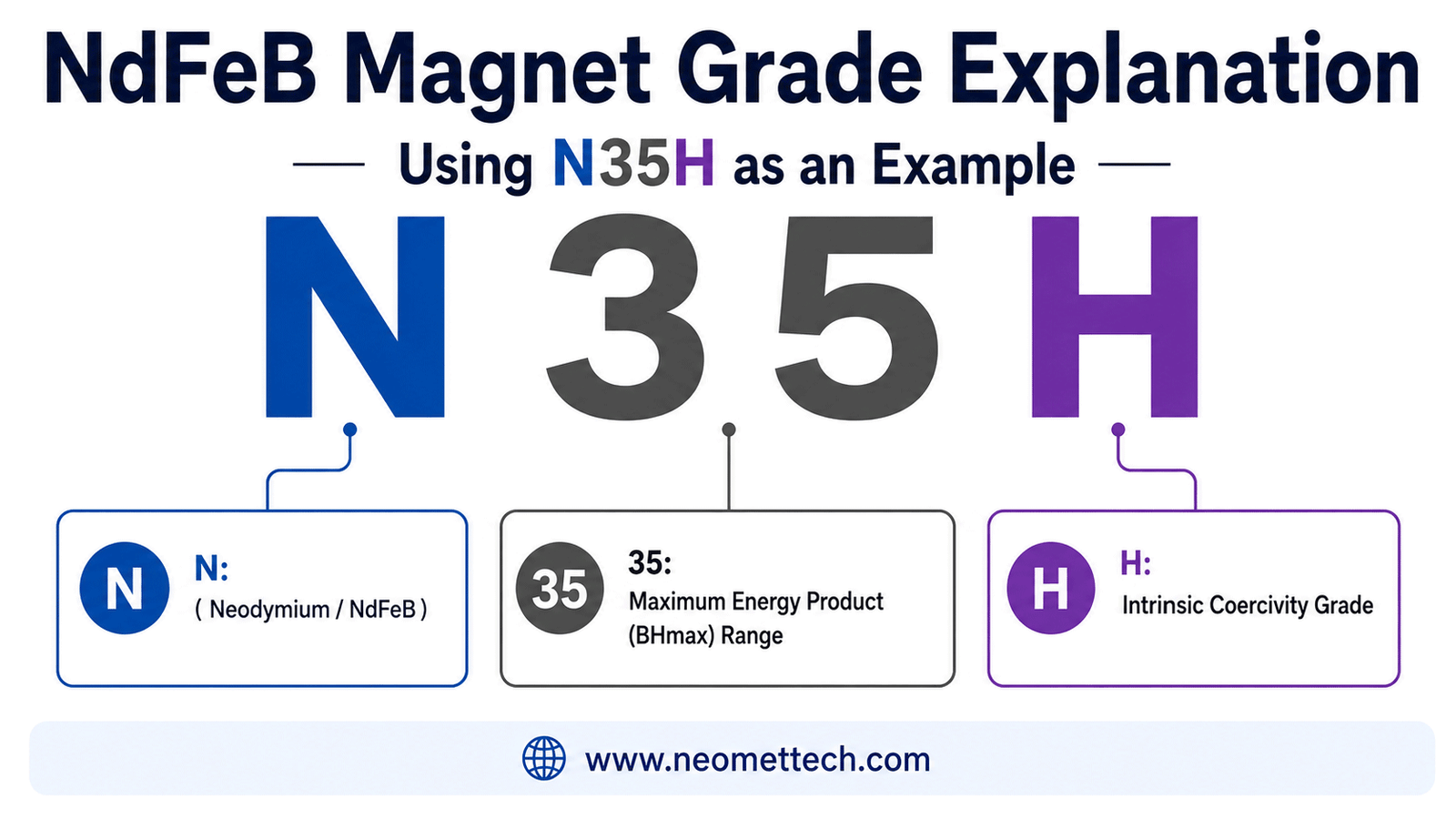
Get a QuoteIn general sintered NdFeB grade naming, the number indicates the maximum energy product range, while the suffix letter indicates the intrinsic coercivity class. For Chinese standard grades, this classification is defined in GB/T 13560-2017.
For example, in the grade N35H :
“N” indicates that the magnet is made from NdFeB material, also known as neodymium iron boron.
“35” represents the performance grade and refers to the maximum energy product (BHmax). The higher the number, the higher the BHmax value, and the stronger the magnet can be at the same size.
“H” indicates the intrinsic coercivity class. Compared with standard N grade, H-grade materials offer higher Hcj, helping reduce irreversible demagnetization risk under elevated temperature or reverse magnetic field.
You can check detailed NdFeB magnet grade performance data, including Br, Hcj, Hcb, BHmax and maximum operating temperature.
View NdFeB Magnet Grade Data →Sintered NdFeB magnets require a controlled manufacturing process from raw material batching to final inspection. Each step affects magnetic performance, dimensional accuracy, coating reliability, and long-term stability in industrial applications.
Rare earth elements, iron, boron, and alloying elements are prepared according to the required magnet grade and performance target.
The raw materials are melted and cast into alloy flakes to form the base material for sintered NdFeB magnet production.
The alloy is processed into fine powder under controlled conditions to support stable magnetic properties and sintering performance.
The powder is aligned in a magnetic field and pressed into green compacts, forming the basic shape and magnetic orientation.
The pressed compacts are sintered under vacuum to achieve high density, strong magnetic performance, and stable material structure.
Key magnetic properties such as Br, Hcj, Hcb, and BHmax are tested to confirm that the material meets the required grade.
Blocks are cut, ground, or shaped to meet customer drawings, dimensional tolerances, and assembly requirements.
Coatings such as Ni-Cu-Ni, zinc, epoxy, or other protective layers are applied to improve corrosion resistance.
Magnets are magnetized according to the required direction, pole orientation, or custom magnetic circuit design.
Dimensions, coating quality, magnetic direction, surface field, flux, and appearance can be checked based on project requirements.
Magnets are packed with suitable magnetic shielding, separation materials, and export-ready packaging for safe transportation.
© 2025 Neomet Tech. All Rights Reserved.